
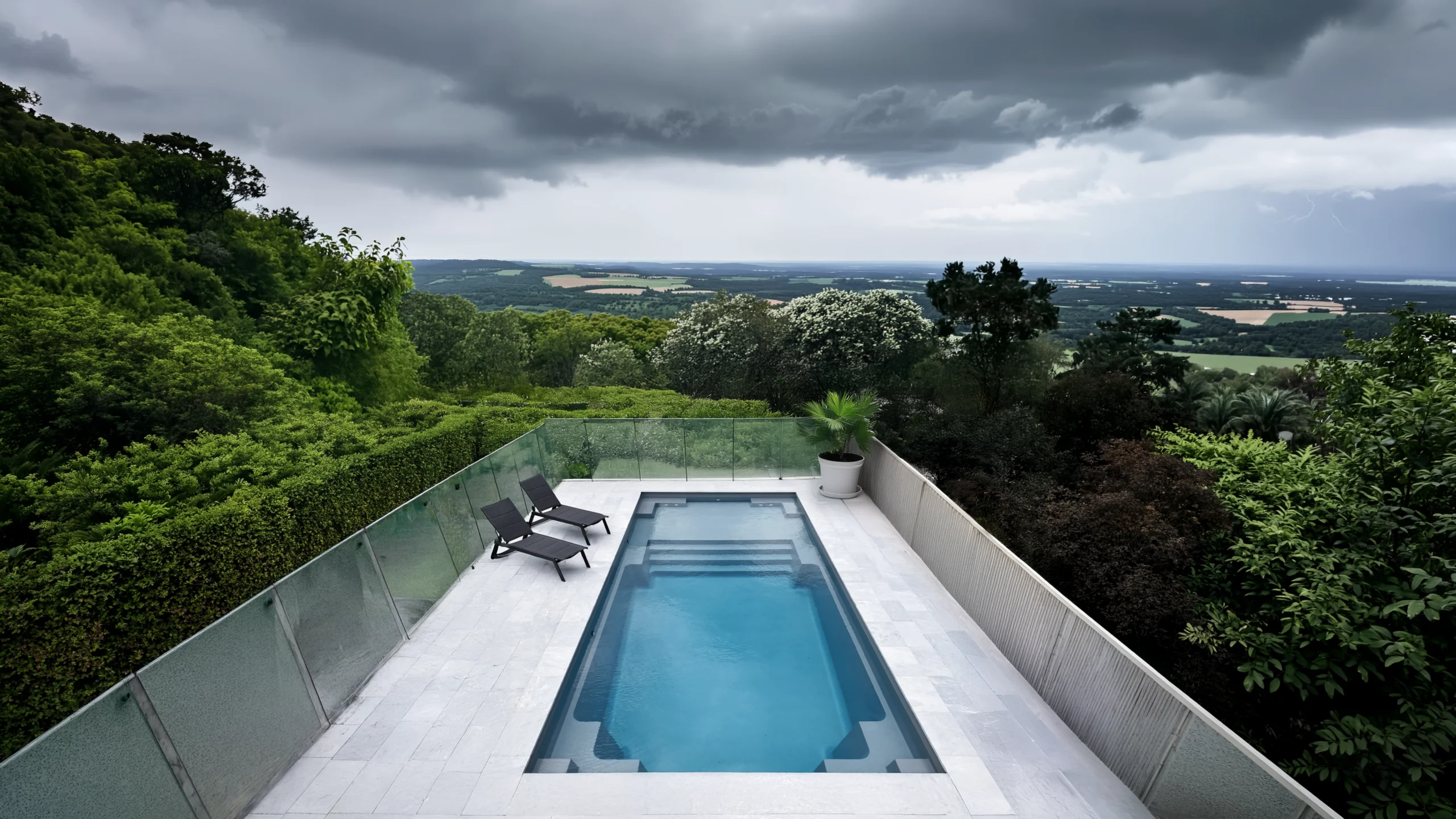
How to Prepare a Pool for a Storm or Cyclone
In This Article:
Prepare a pool for a storm or cyclone is essential to ensure its integrity and longevity. A storm or cyclone can bring heavy winds, rain, and debris that can not only damage your pool but also create safety hazards. This article provides a thorough guide on how to prepare your fibreglass pool ahead of severe weather conditions, covering pre-storm actions, structural protections, and post-cyclone recovery steps.
At Nexus Pools, we fully appreciate the importance of your fibreglass pool, which is why we’ve curated this comprehensive guide to help you prepare a pool for a storm or cyclone. Regardless of whether you’re faced with gusty winds or deluging rainfall, the right measures will ensure that your pool emerges unharmed and ready for use when the weather is calm.
Consider the recommended tips and common mistakes shared throughout this guide on how to prepare a pool for a storm or cyclone. The dos and don’ts and what to expect to prepare a pool for a storm or cyclone, especially about your lifetime warranty and pool insurance.
Ensure Your Pool Area is Secure
Cleaning your pool a crucial first step to prepare your pool for a storm or cyclone. Remove any leaves, dirt, or debris that may have accumulated. This not only helps to preserve the aesthetics of your pool but also prevents debris from clogging your filtration system during heavy rains. A clean fibreglass pool is less likely to suffer from algae growth or water balance issues that can arise during a storm or cyclone.
Prior to the storm or cyclone’s arrival, begin removing any loose items surrounding your swimming pool area. Pool rollers and covers, pool toys, outdoor furniture, decorative objects, and plants can become dangerous projectiles in powerful winds, potentially damaging both your fibreglass pool and its surrounding environment. Removing debris is also critical to prevent pool water contamination.
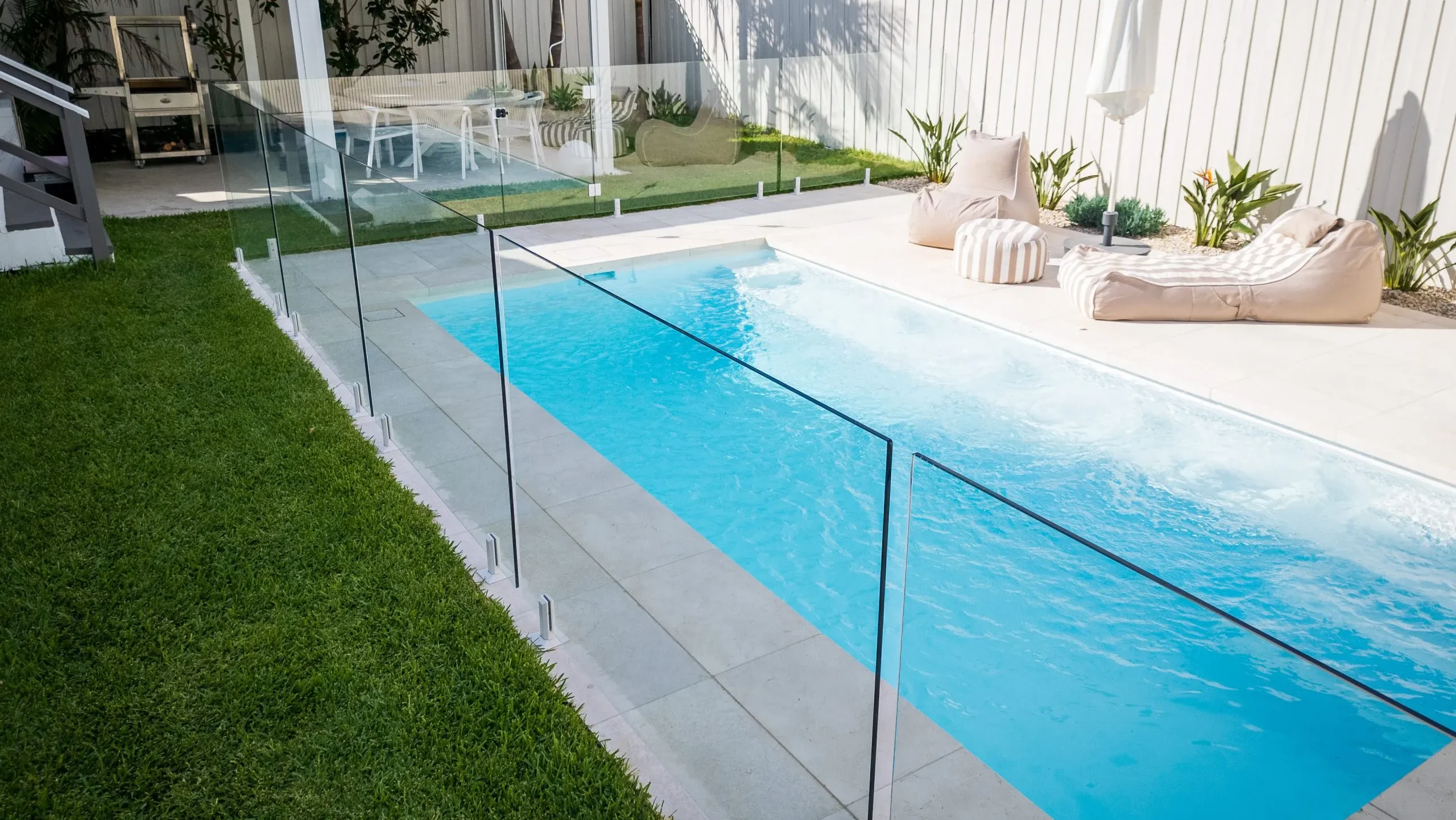
Switch Off All Pool Equipment Before a Storm or Cyclone
It is vital to turn off your pool’s pump, filter, and any other electrical systems to protect them from power surges, lightning strikes, or flooding. Disconnect all electrical components or turn off isolation switches for heaters, lighting, and saltwater chlorinators. If possible, place valuable equipment in a secure location to safeguard them from water exposure during the storm or cyclone.
Beyond pool accessories, it’s important to secure other loose items in your yard, such as patio furniture, potted plants, and garden decor. Bring any removable furniture indoors or secure it in a garage or sturdy shed to prepare your pool for a storm or cyclone.
Pay special attention to items that may be at risk of being blown around, as this could not only damage your property but also that of your neighbors. Taking the time to secure your environment will enhance safety for everyone during the storm or cyclone.
Reminder: Consult your Nexus Pools warranty guide, as well as the manufacturer’s handbooks for your equipment, to ensure you are fully covered in the event of cyclone-induced damage.
Review Your Home Insurance Policy
Take the time to verify whether your home insurance covers pool damage in the event of a storm or cyclone. Some policies may exclude pool coverage or have specific exclusions for storm damage. Confirming this in advance will spare you any unwelcome surprises. Engage with your insurer to ensure your fibreglass pool is fully covered in the case of storm or cyclone damage.
Reduce Pool Water Level Before a Storm or Cyclone
The heavy rainfall associated with storm or cyclone can lead to overflowing pools. To reduce the risk of overflow and better prepare a pool for a storm or cyclone, lower your pool’s water level to mid-skimmer level. This will allow the pool to accommodate any excess rainwater without compromising its structural integrity.
While fibreglass pools are less susceptible to cracks compared to other pool types, lowering the water level is still an essential precaution. It’s also crucial to test the water’s pH, alkalinity, and chlorine levels. Aim for a pH between 7.2 and 7.6, alkalinity between 80 and 120 ppm, and chlorine levels that meet the necessary sanitation requirements. If adjustments are needed, add the appropriate chemicals to stabilize the water before the storm or cyclone hits.

Fortify Surrounding Pool Fences and Gates
High winds from storm or cyclone can compromise unsecured pool fences and gates, which may pose safety hazards. Ensure that all pool fencing and gates are securely locked and fastened. Check for any loose panels or damaged sections that could be dislodged by the winds. If necessary, reinforce the fence temporarily with additional support to ensure it remains firmly in place throughout the preparation for a storm or cyclone.
Safeguard the Surrounding Area of Your Pool
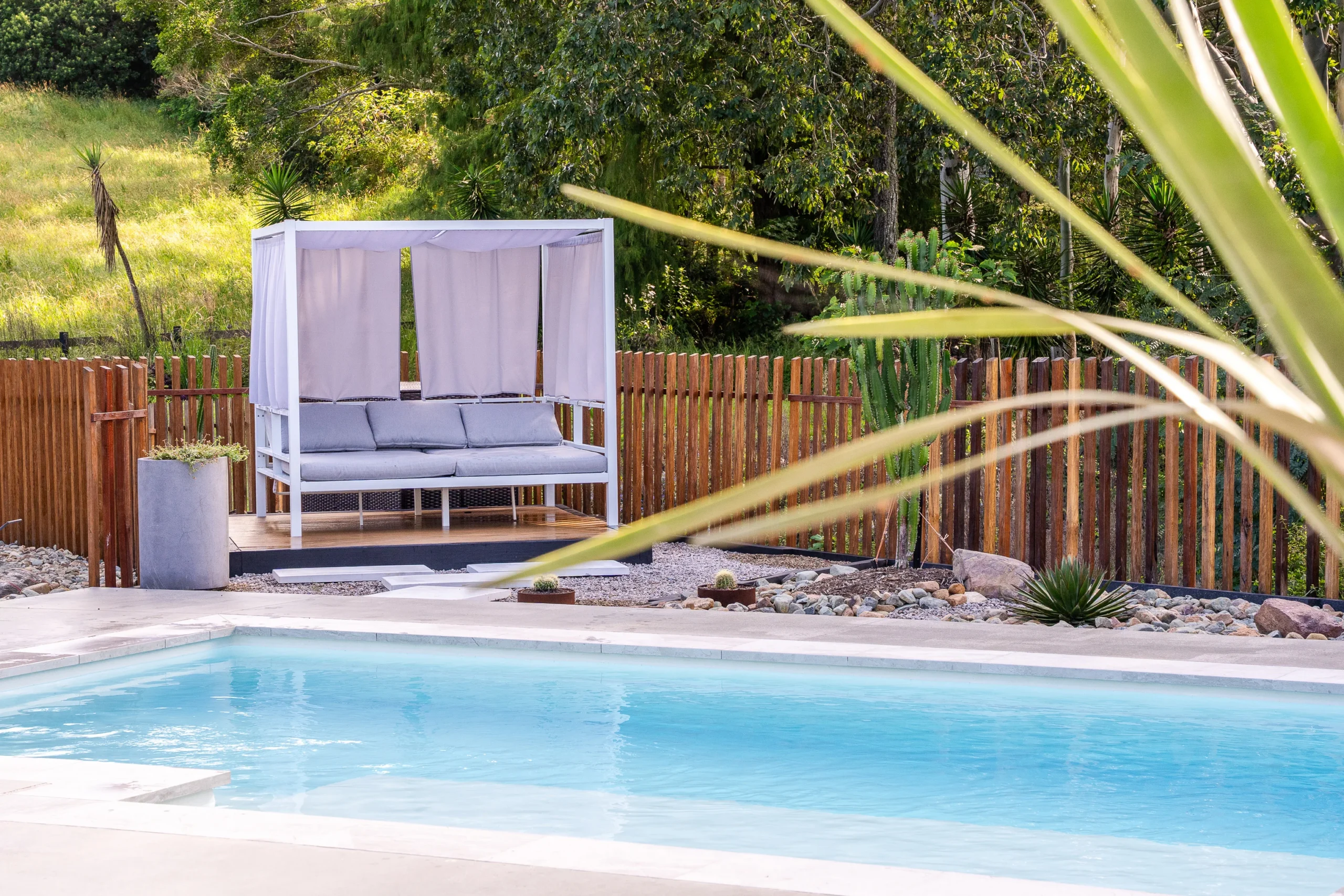
To further safeguard and prepare a pool for a storm or cyclone, reinforce the area surrounding it. If your pool is accompanied by a deck or landscaped area, clear away outdoor furniture, large pots, and decorative items. These objects may become hazardous projectiles in the storm. If feasible, move larger items such as planters and outdoor seating into a secure location, such as a garage or shed.
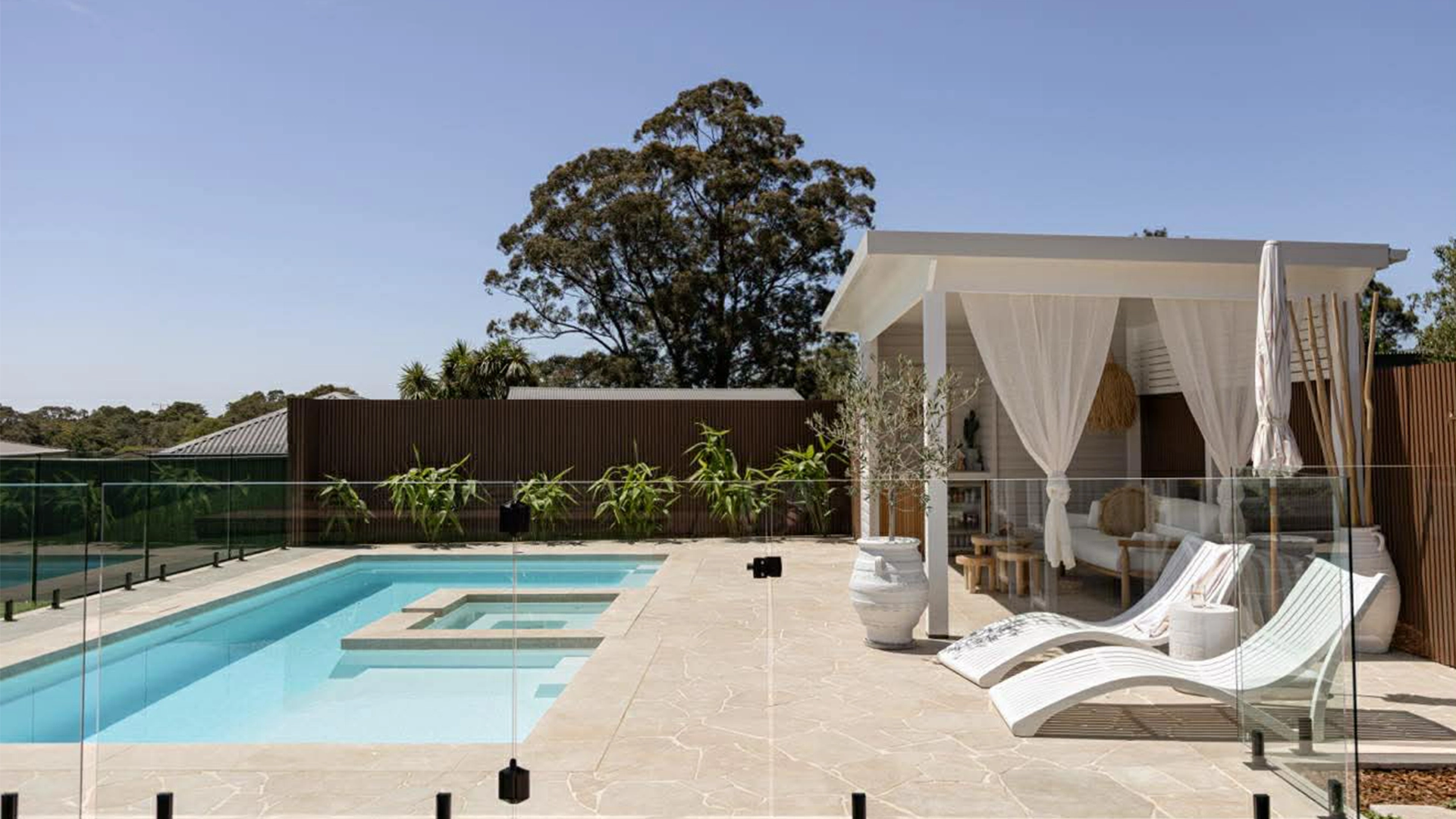
Prepare Maintenance Supplies Before a Storm or Cyclone
Prepare for post-cyclone maintenance by ensuring you have the essential pool supplies on hand. You may need extra chemicals, filters, and cleaning tools to restore water balance and remove debris from your pool after the storm or cyclone. Stock up on pool shock, algaecides, and a reliable pool brush so that you are ready to address any water contamination.
Reminder: Stock up on essential pool maintenance supplies before storm or cyclone season, including pool shock, algaecide, water-testing kits, and suitable cleaning tools such as a pool brush and leaf rake. Having these supplies ready will make post-cyclone cleaning easier and help you remove debris, address potential water contamination, and restore balanced water chemistry in your fibreglass pool.
Prune Foliage Near Your Pool Before a Storm or Cyclone
Not only should you focus on the pool itself, but you must also attend to the surrounding environment. If trees or shrubs are located near your pool, trim them back well before the cyclone’s arrival. Falling branches and debris can cause considerable damage to your fibreglass pool or create an unwanted mess.
It is recommended to use this opportunity to clear away any potentially hazardous vegetation to prepare a pool for a storm or cyclone.
Reminder: After trimming, take the extra step of inspecting the ground around your pool for fallen leaves and branches. When prepare a pool for a storm or cyclone, it is recommended to remove any debris to maintain a pristine environment.
Have a Plan for Post-Cyclone Cleaning
To better prepare your pool for a storm or cyclone, it is equally important to devise a plan for post-storm clean-up. Once a storm or cyclone has passed, begin by removing debris, inspecting your pool for any damages, and tidying the surrounding area. Evaluate your filtration system, water chemistry, and pool equipment to ensure everything is in working order.
Reminder: Refer to your Nexus Pools warranty handbook for guidance on how to report and address any potential damage covered under your warranty. Swift action can prevent further damage, expedite the repair process, and better prepare a pool for a storm or cyclone.
Prepare a Pool for a Storm or Cyclone? 4 Most Common Mistakes
Empty Your Fibreglass Pool
While it may seem sensible to drain your fibreglass pool to avoid overflow, doing so can result in severe structural damage due to hydrostatic pressure. This pressure can cause the pool to shift or even float, leading to costly repairs. Fibreglass pools are designed to remain filled with water, and draining them can cause warping or cracking.
Keep Pool Pump Running
Leaving your pool pump or other electrical equipment on during a storm or cyclone exposes it to electrical hazards. Power surges and flooding can damage sensitive equipment. Always disconnect or engage your isolation switches to the power supply to your pool equipment well in advance of a storm or cyclone.
Leave Items in the Pool
Remove pool covers, pool toys, inflatables, and floating objects from the pool before a storm or cyclone. These items can be damaged or swept away, creating additional hazards. Storing them safely will make post-cyclone clean-up much easier.
Repair Pool Damage by Yourself
If you notice significant damage after a storm or cyclone, it’s best to consult a professional who is authorised to repair your fibreglass pool. Only allow a Nexus Pool authorised technician repair your fibreglass pool to not void your lifetime warranty.
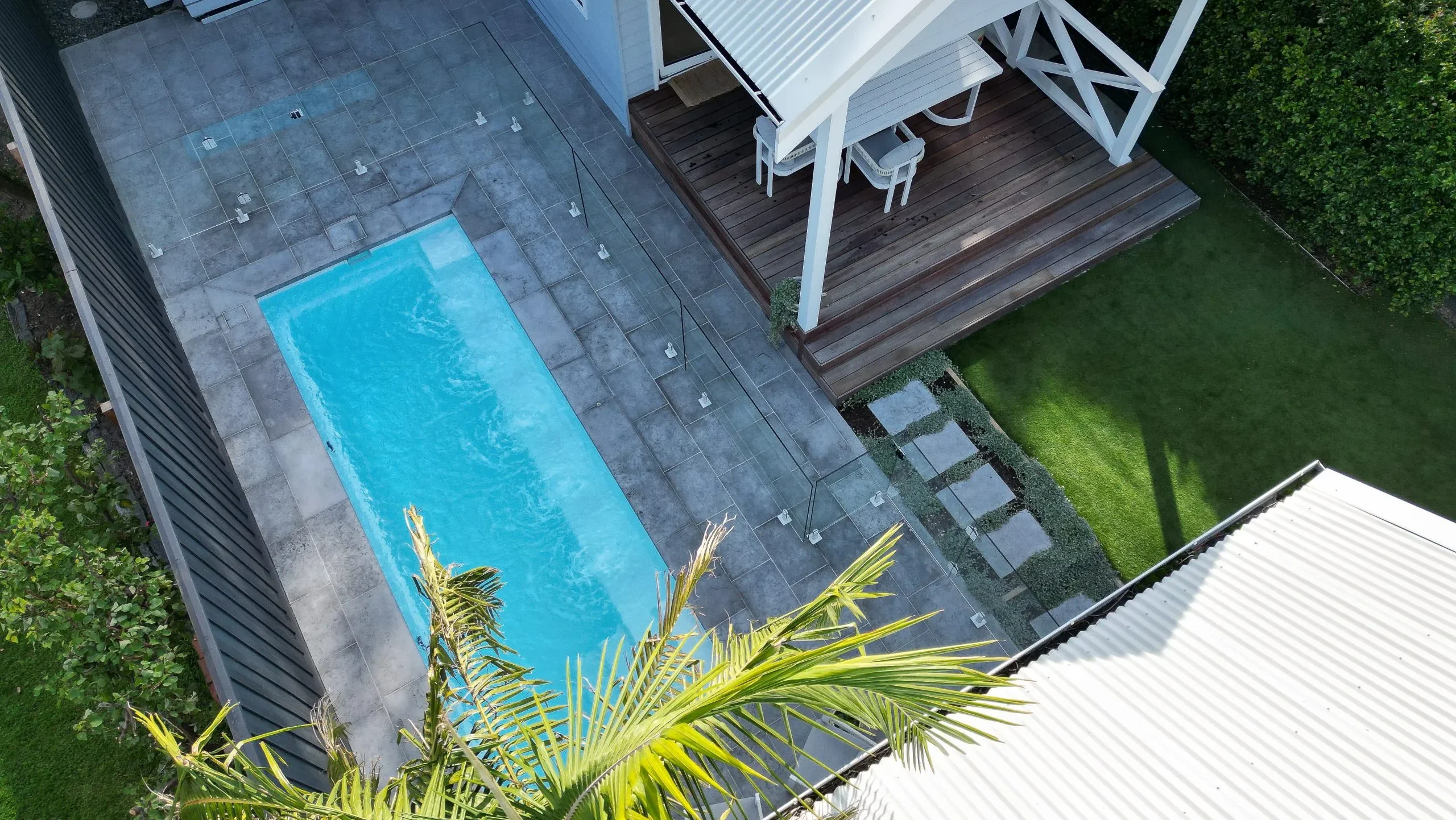
Prepare your pool for a storm or cyclone is a crucial endeavor to protect your valuable investment and maintain its pristine condition. Remember to lower the water level by 10-12cm below the skimmer (never empty the pool entirely), trim any nearby trees, and ensure all electrical equipment is safely disconnected or isolation switched are off.
Equally vital is avoiding common missteps, such as draining your pool or leaving your pump running. By taking the necessary precautions, you can better prepare a pool for a storm or cyclone and rest easy knowing that you’ve diligently safeguarded your fibreglass pool against a storm or cyclone. Moreover, avoid common mistakes can help your lfietime warranty active after a storm or cyclone.
Coverage depends on your home insurance policy, warranty terms, and the circumstances of the damage. Review your insurance policy for storm and cyclone exclusions, limits, and claim requirements, and consult your Nexus Pools warranty handbook for applicable conditions to best prepare a pool for a storm or cyclone. If your fibreglass pool has sustained damage, document it with photographs and contact your insurer and Nexus Pools before arranging major repairs. Use an authorised repairer where required by your warranty terms to help protect your warranty coverage.
Start by removing leaves, branches, and other debris from the pool using suitable cleaning tools. Test the water’s pH, alkalinity, and chlorine levels, then rebalance the water according to the test results and product instructions. Clean or backwash the filter as recommended by the manufacturer. If the water is contaminated or algae growth has developed, you may need a suitable pool shock treatment or algaecide. When prepare a pool for a storm or cyclone, only operate pool equipment once it is safe to do so.
When prepare a pool for a storm or cyclone, prioritise safety before beginning post-storm pool cleaning. Once conditions are safe, remove loose debris, check the pool water level, and inspect the surrounding area, including pool fencing and gates. Look for visible damage to the pool shell, coping, and nearby landscaping. Have electrical equipment inspected if it has been exposed to flooding or may have been damaged, and follow your manufacturer’s guidance before restarting the filtration system.
Yes. A saltwater chlorinator is an electrical component and should be switched off and isolated in accordance with the manufacturer’s instructions before severe weather arrives, provided it is safe to do so. This helps protect the unit from electrical surges and potential water exposure. Whenprepare a pool for a storm or cyclone, check the equipment for damage before restarting it after the storm.
Yes, you should balance your pool chemicals when prepare a pool before a storm or cyclone. Test your pool water before the storm and adjust the pH, total alkalinity, and chlorine levels as needed, following your pool care product instructions. Maintaining balanced water chemistry helps support effective sanitation and can make it easier to restore water quality after heavy rainfall. Keep pool chemicals safely stored in a dry, secure location, and never mix different chemicals together.
Before a storm or cyclone, it is essential to prepare a pool for a storm or cyclone by taking several precautions. First, securely remove and store all pool toys and accessories to prevent them from becoming projectiles. Additionally, if you have a pool cover, ensure it is properly fitted and secured to withstand strong winds. Finally, consider utilizing a pool roller to facilitate the covering process, ensuring your pool is adequately protected during adverse weather conditions.
It is advisable to prepare a pool for a storm or cyclone by turning off the pool pump and filter prior to the event. This action helps prevent potential damage from debris and reduces the risk of electrical hazards. Additionally, securing pool covers and removing loose items from the surrounding area can further protect your pool during severe weather conditions. Preparatory measures are essential to ensure the safety and integrity of your pool.
To effectively prepare a pool for a storm or cyclone, it is advisable to lower the water level by approximately 1 to 2 feet before heavy rain occurs. This action helps to reduce the risk of overflow and potential damage to the pool’s structure. Additionally, lowering the water level can prevent debris from entering the pool and minimize the amount of water that needs to be drained after the storm. Proper preparation is essential to ensure the integrity and safety of your pool during severe weather events.
No. When prepare a pool for a storm or cyclone, never completely drain your fibreglass pool unless specifically instructed by a qualified pool professional. Groundwater pressure can cause an empty fibreglass pool shell to lift, shift, warp, or crack, potentially resulting in costly damage. Keep your pool filled and follow your pool manufacturer’s or authorised dealer’s advice on any necessary water-level adjustments.
Should you have any uncertainties when prepare a pool for a storm or cyclone, feel free to reach out to Nexus Pools for expert advice and assistance. Additionally, staying informed on the latest weather updates by following the Bureau of Meteorology and their live updates on Facebook is always a wise practice.
By proactively preparing, you’ll ensure your pool remains secure throughout the storm and is ready for you to enjoy once a storm or cyclone has passed. Remain prepared, stay safe, and rest assured that Nexus Pools is here to support you best prepare your pool for a storm or cyclone.

